About The Surviving Object
Prospectus
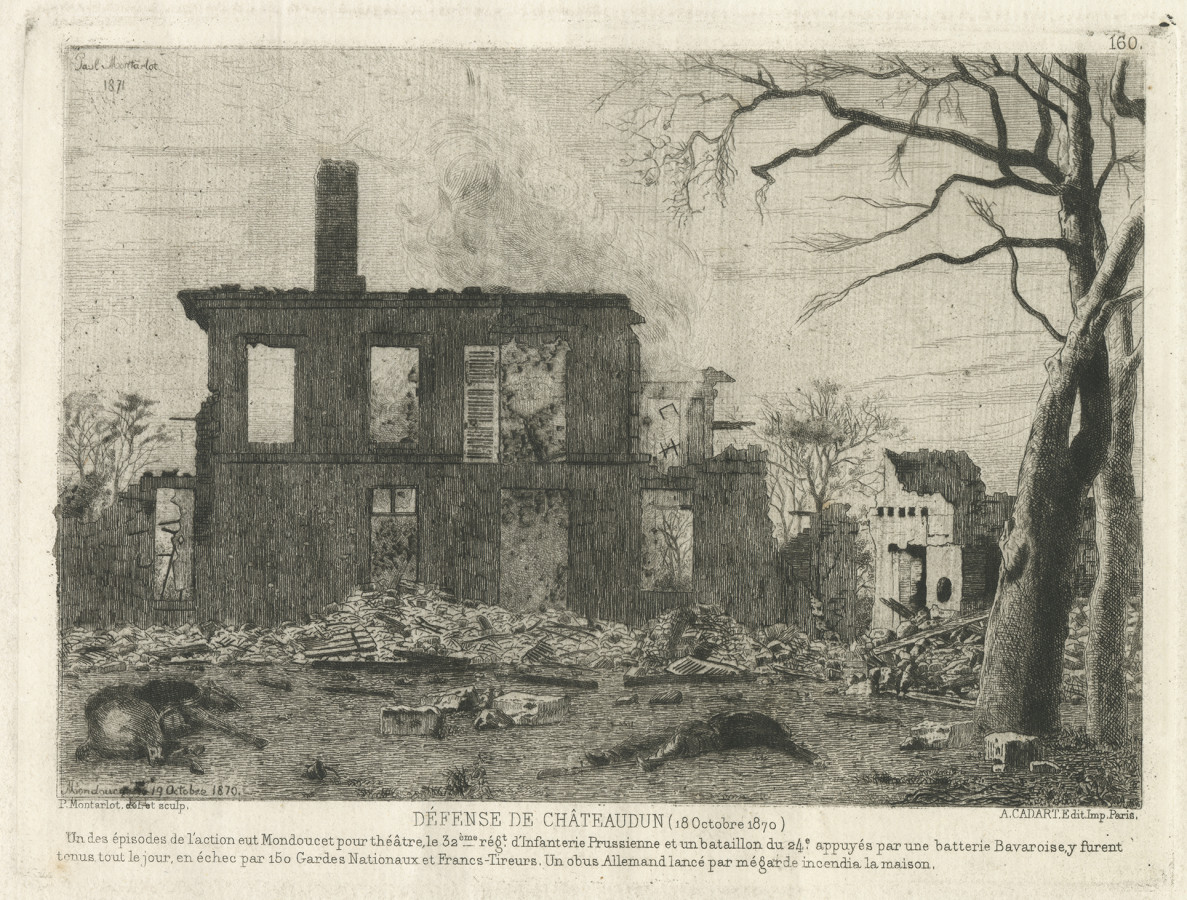
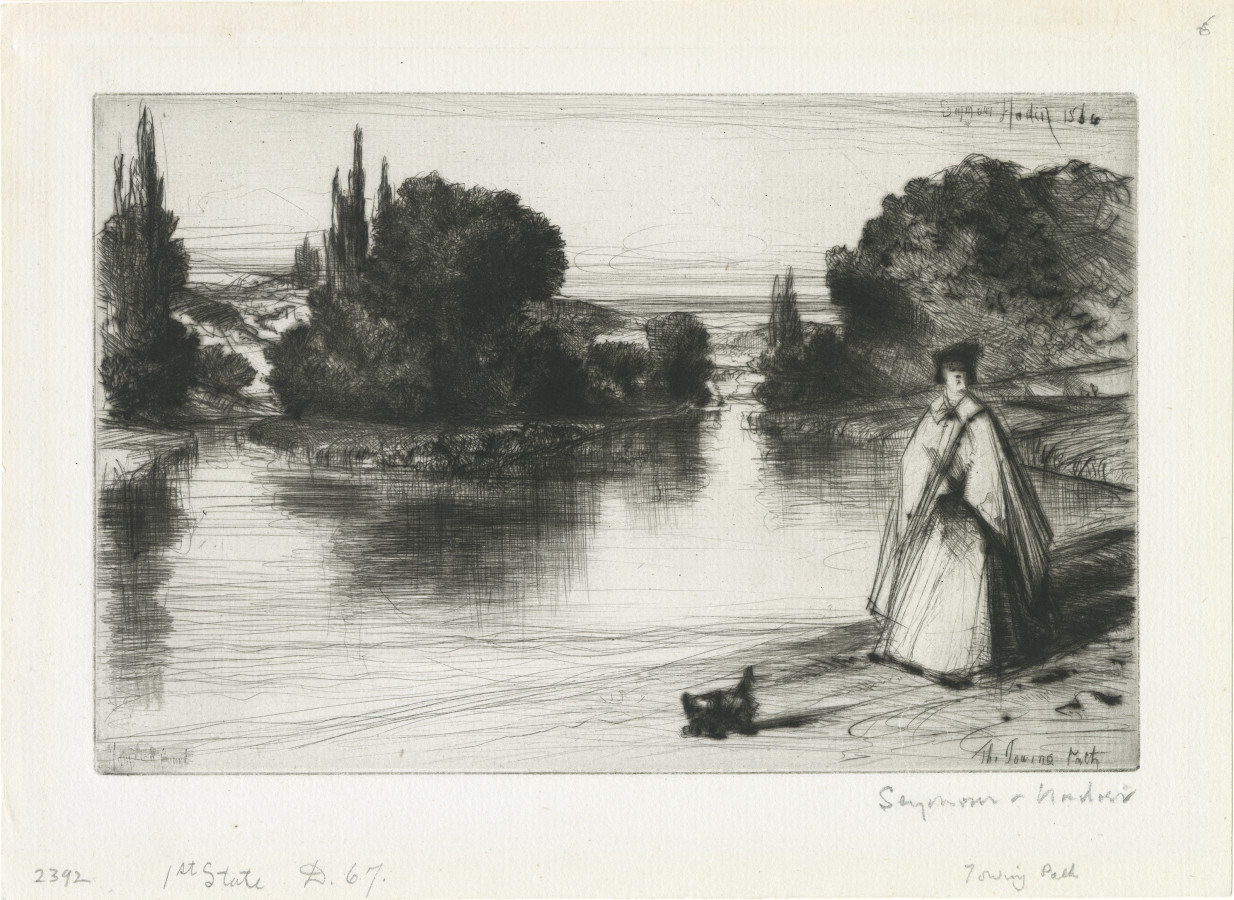
The Surviving Object is an investigation on the boundary between the digital and physical presences of a group of historical etchings. The work explores the capacities of mirrored digital and material artifacts to project their forces into each other’s space affectively.
To undertake this investigation, I adopt multiple positions on the spectrum of maker, collector, curator, historian and cultural theorist. I'm interested in how artworks condense as a contemporary symptom, under the blows and counter-blows of the digital hegemony.
The Surviving Object is a work that attends closely to the example of Aby Warburg’s Bilderatlas Mnemosyne (1927 - 1933). Proceeding from Georges Didi-Hubermann's interpretation of Warburg, I propose that these etchings act counter to our time and therefore act on our time. Their survival and display models the eruption of a European past from within the neo-colonial present: Their recursion as phantoms subverts digital artistic and moral ahistoricity, their unexpected materialisation becomes a symptom of frightening depths that have been incompletely repressed.
The traces of digital-material pasts, presents and futures co-act and coexist. Like a seismographic needle, the etcher's needle inscribed the subterranean tremors of psychic phenomena that ripple towards our own moment. Synchronic patterns of style and subject-matter reveal interlaced exchanges between historical observers, now refreshed by new proliferations of proximate resemblance.
Sigmund Freud wrote that the symptom is “a chosen piece of ambiguity with two meanings in complete mutual contradiction.”1 Symptoms are ‘both/and’ not ‘either/or’. The Surviving Object is a hypothetical, provisional, digital-material tool for generating perceptible and affective ‘both/and’ symptoms.
The Surviving Object is therefore:
a montage
a deck of cards
an accumulation of objects
a photogram of survivals
a recorded conversation
a formal grouping
a rhetorical grouping
a report on single locations apprehended from multiple viewpoints
a concentration of mise en abyme
a table of repetitions
a table of comparisons
a table of anachronisms
a space of combinatory displacements and the splitting of apparent orthodoxies
a sequence of sequences
an unfolding and re-folding of discontinuities and disparities
1. Sigmund Freud, Introductory Lectures on Psychoanalysis, ed. James Strachey, London, Allen & Unwin, 1964. p.446
Objectives
The Surviving Object has five initial objectives:
To construct a space in which relationships between the material and digital presence of artworks might be intensified and experienced.
To present a digital-material array of survivals from the past that might constitute a symptom in the present.
To demonstrate the forces of the digital realm re-animating a historical configuration ‘against’ the ambient historical assumptions of the moment.
To make visible repressed materials, especially the containment or erasure of the roles of Elizabeth Ruth Escombe/Ruth Edwards, (1832–1907) and Clementina Elphinstone Fleeming/Clementina Maude, Viscountess Hawarden, (1822 -1865) whose thought can be traced as shaping presences within The Surviving Object much as, in scientific research, the characteristics of apparently absent particles can be traced from their interactions with observable materials.